TL;DR
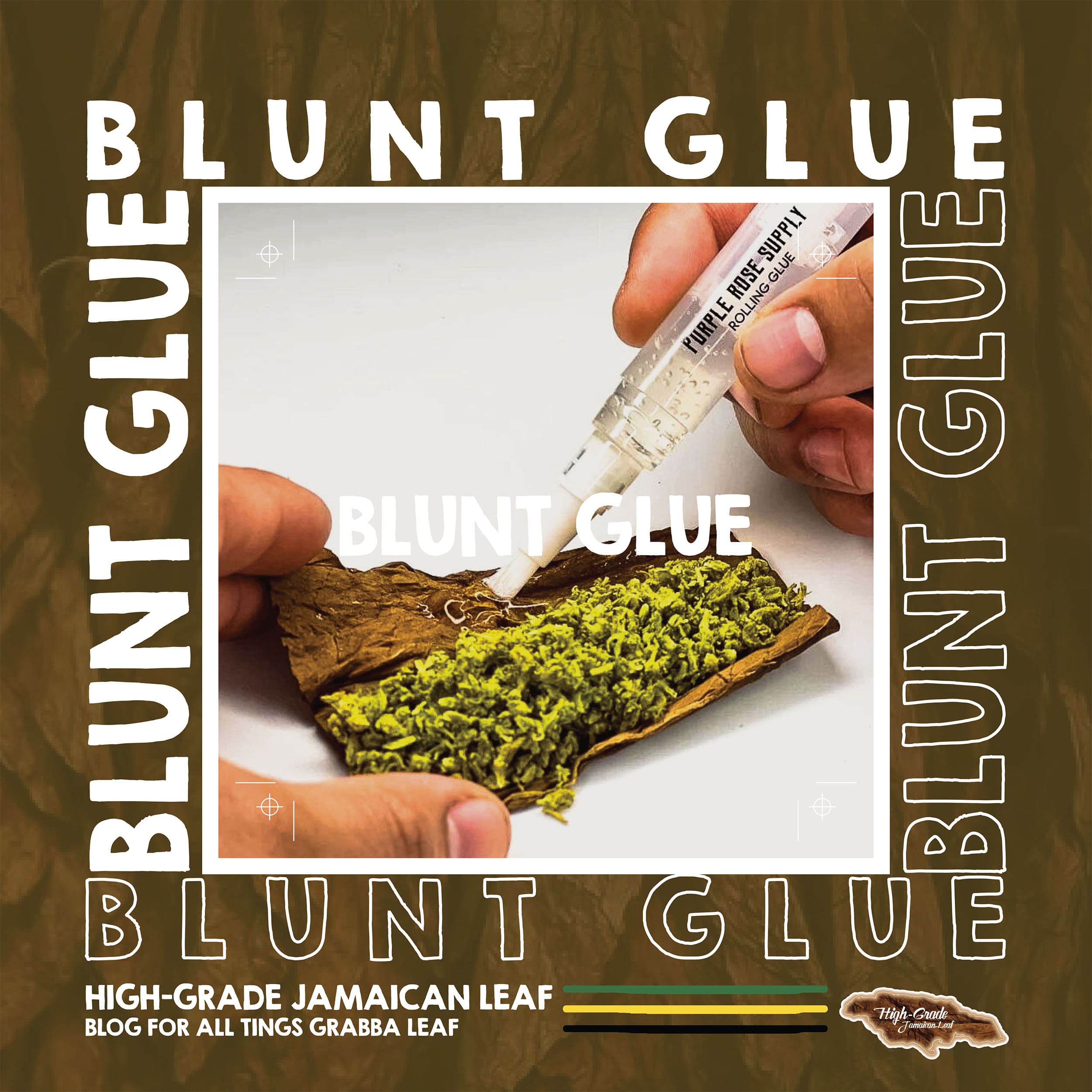
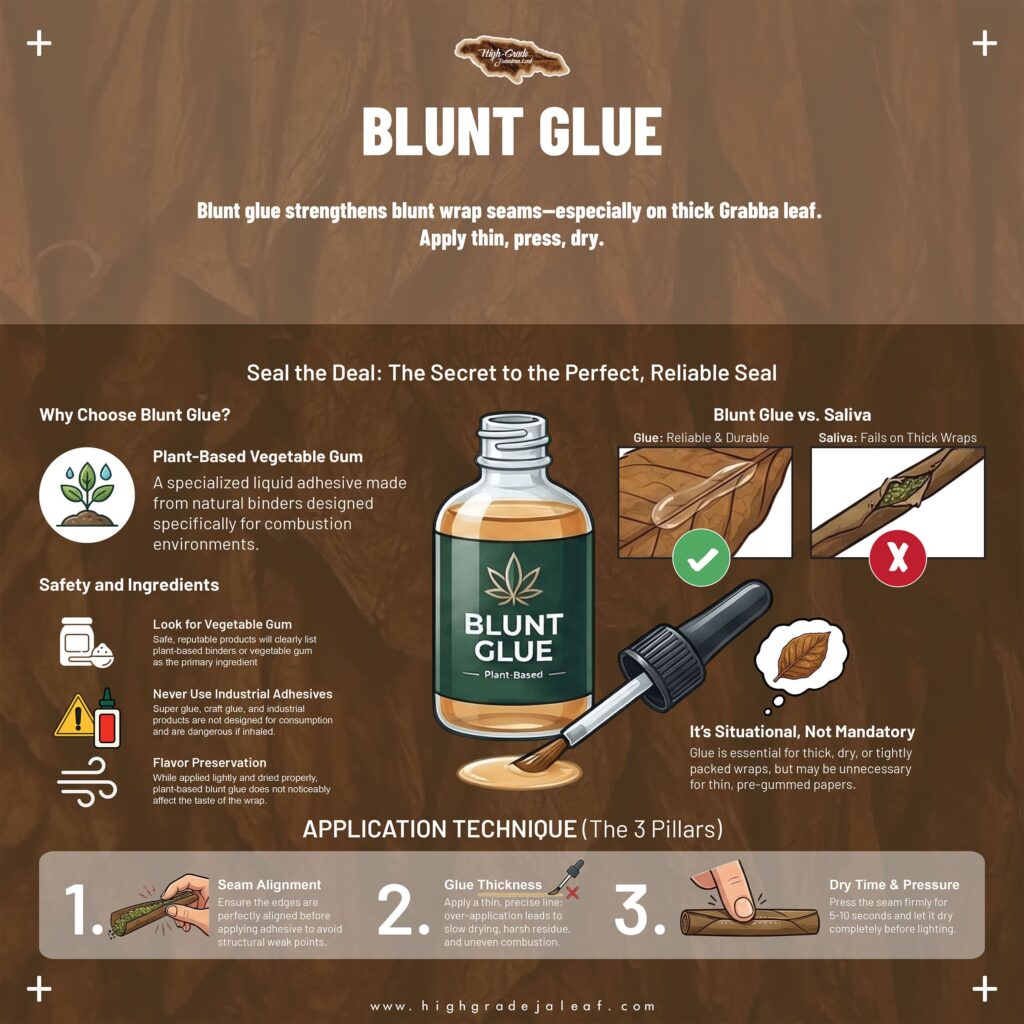
Blunt glue is a plant-based adhesive that seals thick blunt wraps and Grabba leaf more reliably than saliva. Use a thin layer, press firmly, let it dry. It reduces unraveling and improves consistency—especially with dense leaf.
Related: Blunt Wrap
Prefer Audio? Here’s a Quick Breakdown
If you’d rather listen than read, this short podcast explains Blunt Glue—without the fluff.
🎧 Listen: “Blunt Glue” (Podcast Brief)
Blunt Glue: What It Is, How It Works, and When to Use It
If your blunt keeps reopening at the seam, the issue isn’t bad luck. It’s weak adhesion.
Blunt glue is a plant-based adhesive designed specifically for sealing blunt wraps, cigar wraps, and thick tobacco leaf like Grabba or fronto. It reinforces the seam so it stays closed under tension, heat, and handling.
Used correctly, blunt glue for wraps improves structure, burn consistency, and presentation. Used incorrectly, it creates residue and uneven combustion. The difference is technique.
Below is what matters—and what doesn’t.
What Is Blunt Glue — and Why It Exists
Blunt glue (also called hemp glue for blunts or cigar wrap glue) is a liquid blunt adhesive made from vegetable gum and plant-based binders. It exists for one reason: thicker wraps don’t seal as easily as thin cigar paper.
Grabba and fronto leaf are denser and less flexible. Saliva often isn’t strong enough to keep the seam closed, especially when the blunt is tightly packed. That tension pulls the seam apart.
Blunt glue solves a mechanical problem. It increases seam strength without soaking the wrap.
You don’t need it for every roll. You need it when:
- The wrap is thick or dry
- The seam keeps lifting
- The blunt is packed firmly
- You’re repairing a tear in Grabba leaf
If the seam fails, airflow suffers. If airflow suffers, the experience suffers. Adhesion matters.
How Blunt Glue Actually Works
Blunt glue works through controlled moisture and pressure. A thin layer of vegetable gum activates when applied, bonding the overlapping edges of the wrap.
The key variable is quantity. More glue does not mean better adhesion. It means slower drying and harsher residue.
Apply a thin line along the seam. Press for 5–10 seconds. Let it dry before lighting. That’s it.
If you’re learning how to seal a blunt that keeps reopening, focus on three variables:
- Seam alignment
- Glue thickness
- Dry time
Most failures come from lighting too early or overapplying adhesive.
For tear repair, use a small patch from extra leaf and a light layer of glue for fronto leaf reinforcement. Let it fully set before handling.
Precision beats volume.
Is Blunt Glue Safe?
Safety depends on ingredients and usage.
Most reputable blunt adhesive products use vegetable gum and water-based binders. Avoid any product that does not list ingredients clearly.
Never use:
- Super glue
- Craft glue
- Industrial adhesives
Those are not designed for combustion environments.
If you’re evaluating a hemp glue for blunts product, check for:
- Plant-based or vegetable gum base
- Clear labeling
- Minimal additives
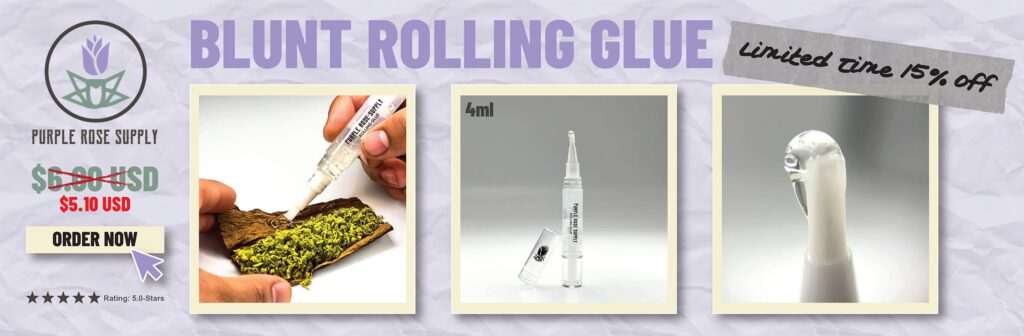
Brush-tip blunt glue offers more precision. Squeeze-tip glue applies faster but requires steadier control.
If you can’t verify the ingredients, don’t apply it.
Plant-based blunt glue, used sparingly and allowed to dry fully, is designed for wrap sealing—not coating.
Blunt Glue vs. Licking the Wrap
Licking works by activating natural gum already on some wraps. For thin cigar wraps, that may be enough.
For thicker leaf, it often isn’t.
Grabba leaf doesn’t always contain consistent adhesive. Even when it does, dense leaf and heavy fill create seam tension. Saliva alone may not hold.
Blunt glue for wraps provides:
- Stronger seam integrity
- Cleaner edge alignment
- Better durability during longer sessions
That doesn’t mean it’s mandatory. It means it’s situational.
If your rolls stay sealed without glue, keep your method. If they don’t, blunt glue removes guesswork.
Control reduces frustration.
When Blunt Glue Makes Sense (and When It Doesn’t)
Use blunt glue when performance matters more than tradition.
It makes sense if:
- You use whole Grabba leaf
- Your wraps are dry
- You pack tightly
- You value a clean seam
It’s unnecessary if:
- You use thin, pre-gummed wraps
- Your current method holds consistently
- You prefer minimal accessories
Tools should solve real problems. If the seam isn’t failing, there’s nothing to fix.
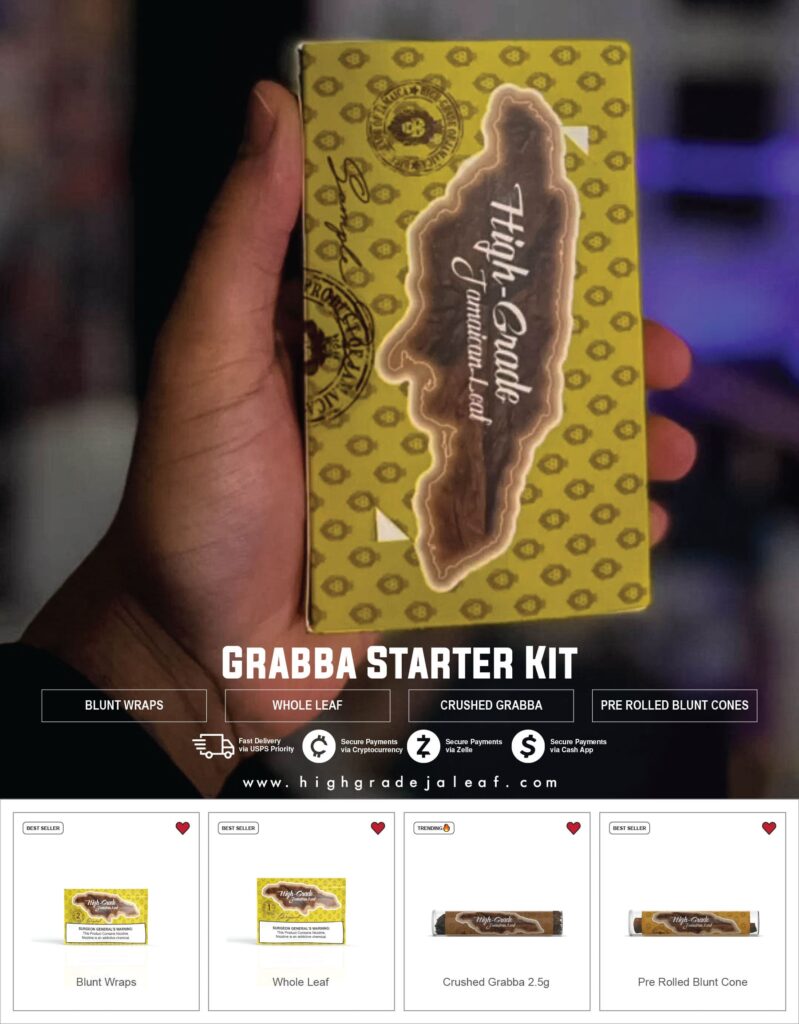
For beginners who want to test formats without overcommitting, a simple Grabba Starter Kit can reduce trial and error:
- Crushed grabba
- Whole Grabba leaf
- Blunt wraps
- Pre-rolled blunt cone
[Check out the Grabba Starter Kit →]
Testing different leaf types and sealing methods helps you understand when rolling glue for blunts adds value.
Final Takeaway – Strong Seams, Fewer Problems
Blunt glue isn’t hype. It’s a reinforcement tool.
If your seam keeps lifting, blunt adhesive solves that. If it doesn’t, you don’t need it.
Apply lightly. Press firmly. Let it dry.
For more information and to explore High-Grade Jamaican Leaf products, visit:
👉 https://shop.highgradejaleaf.com/
FAQs
Q1: What is blunt glue made of?
Most blunt glue uses vegetable gum and water-based binders. Check the label before using.
Q2: Is hemp glue for blunts safe?
Plant-based blunt adhesive designed for wraps is intended for this use. Avoid non-specific glues.
Q3: Can blunt glue fix a torn Grabba leaf?
Yes. Apply a small patch with a thin layer of glue for fronto leaf and let it dry fully.
Q4: Do I need blunt glue?
No. It’s optional. It helps most when using thick or dry wraps.
Q5: Does blunt glue change flavor?
When applied lightly and dried properly, it should not noticeably affect taste.
Local Availability – Blunt Wraps Near Me
Looking for Blunt Wraps for Sale?
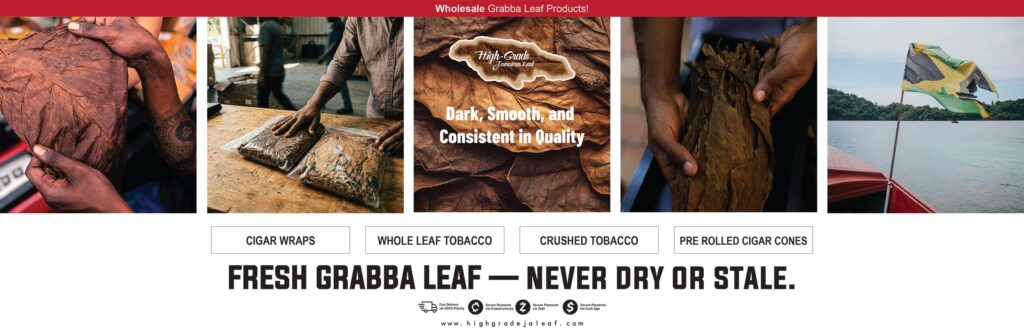
High-Grade Jamaican Leaf products are available through:
- Convenience Stores
- Gas Stations
- Smoke Shops
- Direct Orders

Shop Blunt Wraps→